
Travel to Hawaii
Planning Tips, Island Advice & Ways to Save Money
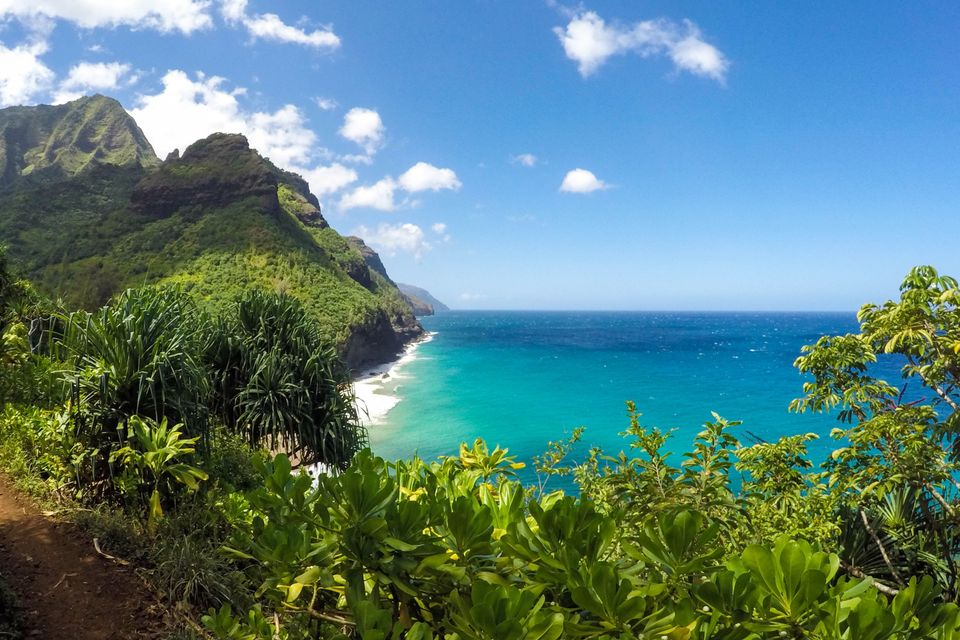
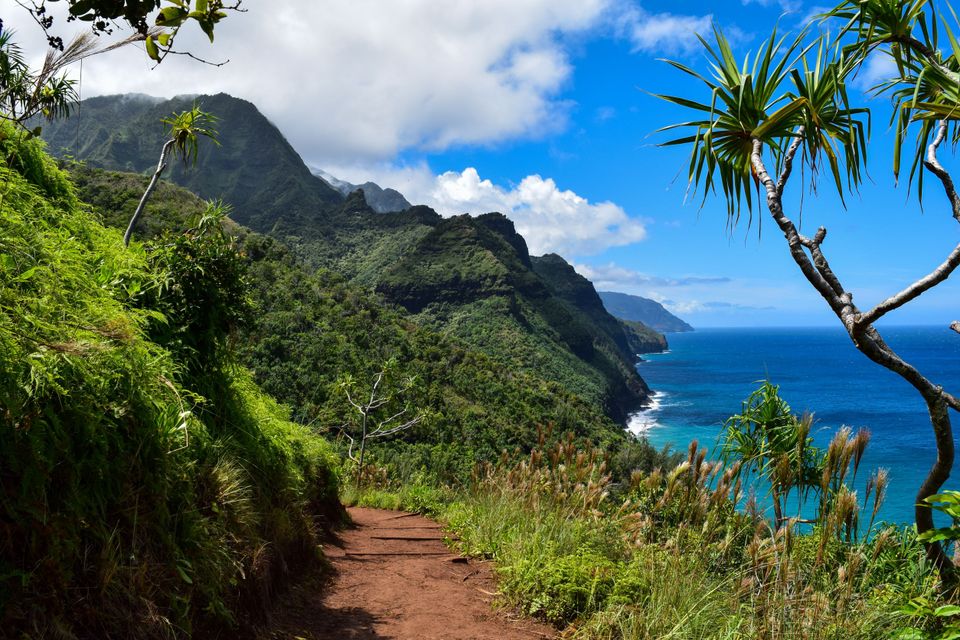
Traveling to Hawaii is a dream vacation for many people around the world, and for good reason. From tropical beaches and volcanic landscapes to waterfalls, hiking trails, and laid-back island culture, Hawaii offers a travel experience that feels completely different from everyday life on the mainland.
One of the first things many travelers notice after arriving in Hawaii is the warm tropical air and subtle floral scent that immediately creates a relaxed island atmosphere. Even the scenery often appears more colorful and vivid than everyday life back home, which is part of what makes Hawaii feel so unique and memorable to visitors.
Whether you are planning your first trip to Hawaii or returning to explore another island, preparing ahead of time can help you save money, avoid common travel mistakes, and make the most of your vacation experience.
Planning Your Hawaii Itinerary
Hawaii is made up of several islands, each offering its own unique atmosphere and attractions. Before booking your trip, it’s important to decide which islands you want to visit and how much time you want to spend on each one.
Some of the most popular Hawaiian islands include:
- Oahu, known for Waikiki Beach, Honolulu, Pearl Harbor, and nightlife
- Maui, famous for scenic drives, beaches, and resorts
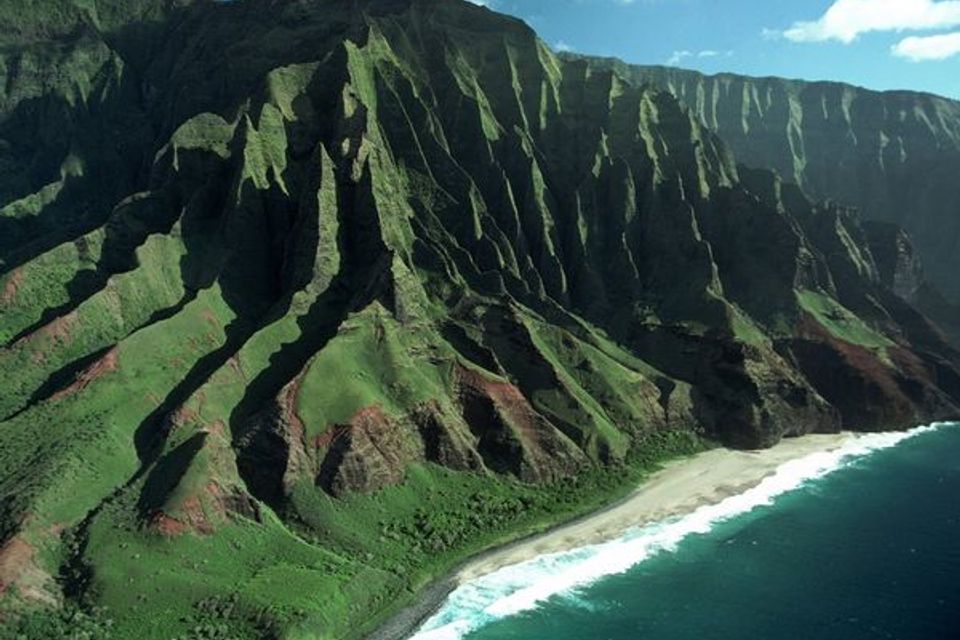
- Kauai, often called the “Garden Isle” because of its lush natural beauty
- The Big Island, home to volcanoes, black sand beaches, and diverse landscapes
Many first-time visitors try to see too many islands in a single trip. In many cases, focusing on one or two islands allows for a more relaxing and enjoyable vacation.
Best Time to Visit Hawaii
Hawaii has warm weather year-round, but travel costs and crowds can vary depending on the season.
The busiest travel periods are typically:
- Summer months
- Spring break
- Christmas and New Year holidays
Travelers looking for better deals often visit during shoulder seasons, such as:
- Mid-April through early June
- September through mid-November
During these times, flights and hotel prices can sometimes be lower while beaches and attractions are less crowded.
Booking Flights and Accommodations
Once you have a rough itinerary planned, it’s a good idea to book flights and accommodations early, especially during busy travel seasons.
Hawaii offers a wide range of accommodations, including:
- Resorts
- Hotels
- Vacation rentals
- Condos
- Bed and breakfasts
Prices can vary significantly depending on the island and location. Staying slightly outside major resort areas can sometimes help reduce costs while still providing easy access to beaches and attractions.
Travelers who remain flexible with their travel dates may also find better airfare deals throughout the year.
Packing for Hawaii’s Tropical Climate
Hawaii’s climate is generally warm, sunny, and tropical, so lightweight and breathable clothing is recommended.
Popular items to pack include:
- Sandals or flip-flops
- Swimsuits
- Sunglasses
- Hats
- Light rain jackets
- Comfortable walking shoes
If you plan on hiking or exploring waterfalls, volcanic areas, or nature trails, sturdy hiking shoes and insect repellent can also be very useful.
Use Reef-Safe Sunscreen
Using reef-safe sunscreen is extremely important while visiting Hawaii. Certain sunscreen ingredients, including oxybenzone, have been shown to damage coral reefs and marine ecosystems.
In fact, Hawaii has restrictions on certain types of sunscreen to help protect coral reefs, tropical fish, and ocean wildlife.
Choosing reef-safe sunscreen helps preserve Hawaii’s natural beauty for future visitors and local marine life alike.
Transportation and Getting Around
Public transportation is available in some areas of Hawaii, especially on Oahu, but many travelers choose to rent a car for additional flexibility.
Having your own transportation can make it easier to:
- Explore beaches
- Visit hiking areas
- See scenic viewpoints
- Discover local restaurants
- Travel outside resort zones
Depending on the island, travelers may also use:
- Scooters
- Bikes
- Ride-sharing services
- Shuttle transportation
Parking fees and resort parking costs can sometimes add up quickly, so it’s smart to factor transportation costs into your overall budget.
Exploring Hawaiian Culture
Hawaii has a rich and diverse culture deeply connected to its history, traditions, music, language, and respect for nature.
Visitors can experience Hawaiian culture through:
- Traditional Hawaiian music and dance
- Local food and cuisine
- Farmers markets
- Cultural festivals
- Historical landmarks
- Art and crafts
Learning a few Hawaiian words and showing respect for local customs can go a long way toward creating a more meaningful travel experience.
Respecting Hawaii’s Environment
Hawaii is known for its incredible natural beauty, and protecting that environment is extremely important to both residents and visitors.
Travelers should follow the “Leave No Trace” philosophy by:
- Avoiding littering
- Staying on marked trails
- Respecting wildlife
- Avoiding damage to coral reefs
- Leaving natural areas undisturbed
Protecting Hawaii’s beaches, forests, oceans, and parks helps preserve these destinations for future generations.
Understanding the Meaning of “Malama”
A word visitors may hear while traveling in Hawaii is “Malama,” which roughly translates to “to care for” or “to protect.”
The spirit of Malama reflects the Hawaiian values of respecting the land, community, culture, and environment. Many travelers appreciate how this philosophy contributes to Hawaii’s relaxed and welcoming atmosphere.
Staying Safe While Traveling in Hawaii
Like any travel destination, staying aware of your surroundings and following local safety guidelines is important.
Travelers should:
- Pay attention to ocean conditions and warning signs
- Avoid swimming in rough waters
- Prepare properly for hikes
- Stay hydrated in warm weather
- Secure valuables when visiting beaches or tourist areas
Ocean currents and hiking conditions can change quickly in Hawaii, so checking local guidance before activities is always recommended.
Ways to Save Money on a Hawaii Vacation
While Hawaii is often viewed as an expensive destination, there are several ways travelers can reduce costs and make a trip more affordable.
Some common ways to save money include:
- Traveling during less crowded seasons
- Booking flights early
- Using hotel rewards programs
- Staying in condos or vacation rentals
- Comparing inter-island flight prices
- Looking for travel promotions and package deals
Many travelers also search for vacation giveaways, airline promotions, and hotel sweepstakes to help reduce travel expenses.
If you are planning a Hawaii vacation, you may also find these travel resources helpful:
Frequently Asked Questions About Traveling to Hawaii
What is the best island to visit in Hawaii for first-time travelers?
Oahu is often recommended for first-time visitors because it offers a combination of beaches, attractions, restaurants, nightlife, and transportation options.
Is Hawaii expensive to visit?
Hawaii can be expensive, especially during peak travel seasons, but travelers who plan ahead and remain flexible with travel dates can often find ways to reduce costs.
Do you need a rental car in Hawaii?
A rental car is highly recommended on many islands, especially if you want to explore beaches, hiking trails, and scenic areas outside major resort zones.
What is the cheapest time to visit Hawaii?
Shoulder seasons such as spring and fall often provide lower prices and fewer crowds compared to peak summer and holiday travel periods.
Is reef-safe sunscreen required in Hawaii?
Hawaii has restrictions on certain sunscreen ingredients that may harm coral reefs, so using reef-safe sunscreen is strongly encouraged.
Final Thoughts
Traveling to Hawaii can be an unforgettable experience filled with beautiful scenery, relaxing beaches, outdoor adventures, and unique cultural experiences. With some planning and preparation, visitors can enjoy everything the islands have to offer while also finding ways to travel more affordably.
For many travelers, Hawaii feels less like a typical vacation and more like a place that leaves a lasting impression long after the trip is over.