
Staying Within Budget Before, During, and After Your Trip
One of the best ways to enjoy traveling more often is to make your money go further. You don't necessarily need to spend a fortune to have a great vacation, but you do need to be thoughtful about where your money goes. From researching airfare and hotels to finding affordable places to eat and getting your finances back on track afterward, there are plenty of ways to keep travel costs under control.
I'm always looking for ways to maximize my travel dollar. I like to research things thoroughly before purchasing tickets or making reservations, and I don't assume that the first price I find is necessarily the best one. I also look for opportunities to save money after I've booked, while I'm traveling, and even after I return home. A little effort at each stage can make a meaningful difference in what you spend and how often you can afford to get away.
Before Your Trip: Do Your Homework
Some of the best opportunities to save money happen before you ever leave home. Airfare, hotels, rental cars, and activities can vary considerably in price, so it pays to compare options rather than making quick decisions. I usually spend time researching before purchasing tickets, looking at different dates, booking options, and locations to see where I can get the best value.
If your travel dates are flexible, compare prices on different days. Sometimes leaving a day earlier or later can make a noticeable difference in airfare or hotel costs. It's also worth checking whether nearby airports or alternative destinations offer better deals. The more time you give yourself to research, the more opportunities you may find.
Book Hotels With Free Cancellation Whenever Possible
One thing I like to do when booking hotels is look for reservations that include free cancellation. It gives me some flexibility, especially when I'm booking several months in advance and prices may change.
Here's a strategy I use: After booking a hotel, I occasionally check the price again to see whether it has dropped. If I find the same room at the same property for a lower price, and my original reservation qualifies for free cancellation, I can cancel the first booking and reserve it again at the better rate. I've also used this flexibility when I find another hotel or location that I would rather try.
There is one important detail to remember: Always check the cancellation deadline and the exact terms of your reservation. Free cancellation doesn't necessarily mean you can cancel at any time. Policies vary, and some reservations become nonrefundable after a certain date or time. Make sure the new reservation is confirmed before canceling the original one, and compare the total price, including taxes and fees.
Start Planning Three to Six Months Ahead
Whenever possible, I like to start planning a trip three to six months in advance. This gives me time to compare prices, watch for deals, and make decisions without feeling rushed. Waiting until the last minute can sometimes work out, but it can also leave you with fewer choices and higher prices, especially during popular travel periods.
Planning ahead doesn't mean you have to pay for everything immediately. You can research destinations, monitor airfare, compare hotels, and look for activities before committing. Just be aware that prices can change, so it's worth checking current rates before making a purchase. Having a general idea of what you want to spend also helps prevent small expenses from adding up unexpectedly.
During Your Trip: Watch Where Your Money Goes
Once you arrive, it's easy to start spending more than you planned. You're on vacation, you want to enjoy yourself, and there are usually plenty of restaurants, attractions, and activities competing for your attention. That doesn't mean you need to avoid spending money, but it helps to be aware of where it's going.
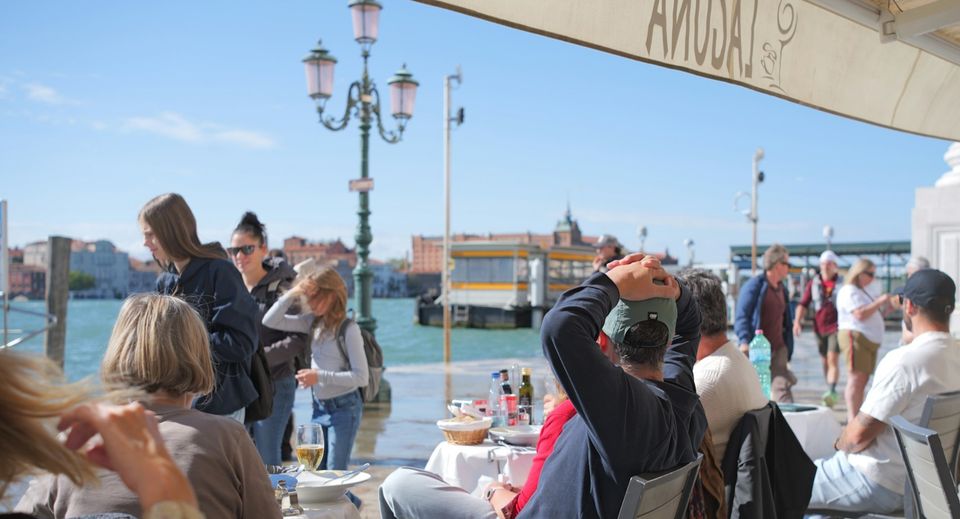
One of the easiest ways to save is to be selective about where you eat. Tourist areas often have restaurants with higher prices, while smaller local establishments may offer excellent food for considerably less. I enjoy looking for places where the locals go rather than automatically choosing the restaurants in the busiest tourist areas. You can sometimes find a great meal, experience a little more of the local culture, and save quite a bit at the same time.
It's also worth looking for free or inexpensive activities. Beaches, parks, scenic walks, local markets, and interesting neighborhoods can provide some of the best experiences without requiring a big admission fee. Before paying for an attraction or tour, check whether there are discounts, special offers, or alternative ways to experience the area.
Don't Let Saving Money Ruin Your Vacation
There's a point where trying to save money can actually take away from the reason you went on vacation in the first place. I believe in finding bargains and making smart spending decisions, but I don't want to spend my entire trip worrying about every dollar.
For example, choosing a hotel that's considerably cheaper but far away from everything might not be a good deal once you factor in transportation costs and the extra time involved. Likewise, skipping an activity you've really wanted to experience just to save a little money may not be worth it.
The goal is to be thoughtful, not overly restrictive. Spend less on things that don't matter as much to you, and save some room in your budget for the experiences that make the trip worthwhile. Sometimes spending a little more in the right place can actually make for a much better vacation.
After Your Trip: Get Your Finances Back on Track
What you do after returning home is just as important as how you manage your money before and during the trip. If you've used credit cards for travel expenses, make paying them off a priority. Carrying vacation expenses for months afterward can make your next trip more difficult to afford, especially when interest charges start adding up.
I also like the idea of reviewing what I spent and thinking about what I might do differently next time. Maybe I found a great hotel deal, discovered an inexpensive restaurant, or realized I spent more than expected on transportation. Those experiences can help you make better decisions when planning your next getaway.
Most importantly, start saving for the next trip as soon as you can. Even putting away a modest amount regularly can build up over time. Having money set aside makes it easier to take advantage of a good airfare or hotel deal when one comes along, without having to put everything on a credit card.
Create a Travel Budget That Works for You
A travel budget doesn't have to be complicated. Start with the major expenses, including airfare, accommodations, transportation, meals, and activities. Then set aside a little extra for unexpected costs. Having a realistic spending limit gives you a better idea of what you can afford and helps you avoid unpleasant surprises.
It's also helpful to distinguish between expenses you can control and those that are harder to predict. You may be able to find a better hotel rate or choose less expensive restaurants, but unexpected transportation costs or changes in plans can happen. Leaving a little breathing room in your budget can make those situations easier to handle.
If you travel regularly, consider keeping a separate savings account just for vacations. It makes it easier to see how much you've saved and helps prevent travel expenses from interfering with your everyday finances.
Make Your Travel Dollar Go Further
Getting the most out of your travel budget isn't about finding the absolute cheapest option every time. It's about making informed decisions, taking advantage of opportunities, and spending money where it adds the most value to your experience.
Research before booking, keep an eye on hotel prices, take advantage of flexible cancellation policies, and look for affordable ways to enjoy your destination. Once you're home, pay off your travel expenses and start putting money aside for the next adventure.
The more thoughtful you are about managing your travel money, the more opportunities you'll have to explore new places and enjoy the experiences you've been looking forward to. After all, wouldn't it be nice to get more vacations out of the same travel budget?
Related Travel Articles